
In This Article
As an Amazon Associate I earn from qualifying purchases. Links in this article may be affiliate links. How we choose products
Rattan reeds want a flip every week or two, according to Real Homes, fiber reeds mostly get left alone, and a cotton-wick inhaler never goes near a bottle at all. All three get called an aromatherapy stick in 2027 searches, and they solve different problems: scenting a room, scenting a pocket, or, for the burning kind, scenting a room with smoke. The six picks below cover the first two, and a short section covers the third.
Maker listings, retailer pages with buyer reviews, supplier guides such as Candle Science, a Guy’s and St Thomas’ NHS patient page and Poison Control’s household-risk notes supply the details here; where two sources disagree, both figures appear.
Matching the stick to the job: room, pocket or flame
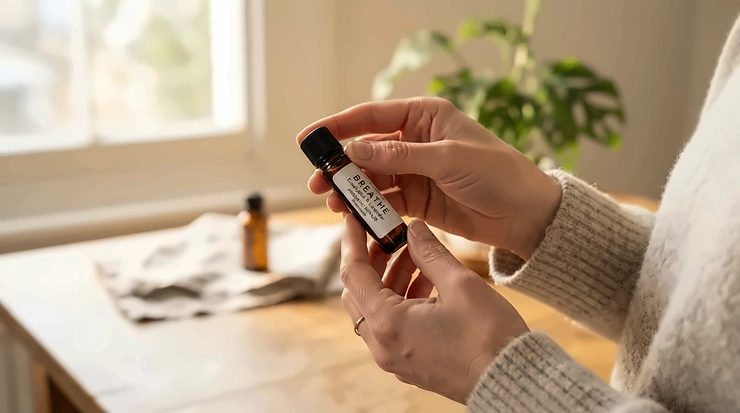
A room job calls for aromatherapy diffuser sticks: porous reeds standing in a bottle of scented liquid. A pocket job calls for an inhaler, which the NHS trust page describes as an aroma stick holding a cotton wick that carries a few drops of essential oil. A flame job means incense-style sticks that smolder, and those follow different rules from the other two.
The picks were chosen on four things: the material and length each listing states, what buyers report after weeks of use, the maker’s own directions, and whether the product solves one clear job. Nothing here is a medical claim; the NHS page itself says an aroma stick complements treatment and does not replace medicine.
How do aromatherapy sticks work? Pores, wicks and slow evaporation
A reed stick is a bundle of tiny channels. Candle Science compares them to straws packed together: they pull the scented liquid upward, and the exposed top releases scent into the air once the stick is saturated. Real Homes describes the same loop in simpler terms, with oil climbing the pores and evaporating from the end that sits in the room.
Two materials dominate. Natural rattan is the classic choice, and Candle Science notes that its ends need a clean cut with a sharp blade so they do not split. Fiber sticks have engineered, even pores. In Candle Science’s own comparison, fiber reeds were less likely to clog, began dispersing scent sooner and gave a stronger throw than rattan, which fits a retailer guide’s description of rattan as the gentler, slower option.
Thickness of the liquid matters as much as the stick. Candle Science says thick oils will not climb a reed unaided, which is why diffuser bases exist to thin them. Because the whole process is passive, Aroma360 describes the result as a steady, low-level scent that suits small to medium rooms, not the adjustable blast of a plug-in unit.
An inhaler works by a different route. The wick sits inside a small tube, the oil evaporates from the cotton, and the user holds the open end under the nose. Guy’s and St Thomas’ guidance is to take three gentle breaths and never put the stick into a nostril.
Reed or inhaler, fiber or rattan: where the six differ
| Product | Form | Count and length | What it adds | Main limit |
|---|---|---|---|---|
| HOSSIAN 100-Pack Natural Rattan Reed Diffuser Sticks | Rattan reeds | 100 at about 7 in | Largest buyer base of the six | Short for upright bottles |
| Hosley Rattan Reed Diffuser Sticks Set, 108 Pieces | Rattan reeds | 108 at 7 in | Lowest cost per reed on Walmart’s pages | Needs regular flipping |
| jecengs 12-Inch Black Fiber Diffuser Sticks | Fiber reeds | 50 at 12 in | Height for tall vases | One reviewer reports a weaker scent |
| HOSSIAN 70 Pieces Fiber Reed Diffuser Sticks, 12 Inch | Fiber reeds | 70 at 12 in, 3 mm | Plenty of spares | Absorption reports are mixed |
| Plant Therapy Aromatherapy Inhalers, 3-Pack | Cotton-wick inhaler | 3 inhalers | Portable, personal scent | Not a room scenter |
| Plant Therapy Refill Wicks for Aromatherapy Inhalers, 24 Pack | Cotton wicks | 24 wicks | Fresh wick for each blend | Made for Plant Therapy inhalers |
Length decides more than material for most bottles. A 7-inch reed that barely clears the neck of a tall vase behaves very differently from a 12-inch fiber stick that fans out above it. The inhaler rows sit apart because they never touch a bottle, so the choice between them is about portability and blend changes rather than scent throw.
Six aromatherapy diffuser sticks and inhaler sets worth a look
1. HOSSIAN 100-Pack Natural Rattan Reed Diffuser Sticks — natural reeds in bulk packs
A retailer page mirroring the Amazon listing shows this pack at 4.2 out of 5 from 9,218 reviews, ranked fifth among reed diffuser sticks, with the maker describing wild Indonesian rattan at 7 inches. That review base is the largest of the six, and it is split: several buyers report scent spreading within minutes and a strong peppermint blend scenting a whole house for days, while others say the reeds barely diffused at all.
Mold is the worry that comes up. One buyer says the sticks refused to absorb liquid and molded within weeks, and a reviewer on the same page learned from the experience that synthetic reeds suit alcohol-free oils better, adding a small fan for airflow. Mold appears only once on the listing page, but it is a fair reason to keep the room ventilated and to pair rattan with thin oil. A separate HOSSIAN listing at 7.87 inches draws repeated complaints that the sticks barely clear the neck of midsize upright bottles, and listing variants differ in length, so confirm the length variant on the page before ordering. Check the current price on Amazon.com.
Pros:
- Natural rattan with a very large review base
- Pack size covers many bottles and regular swaps
- Good fit for short, squat bottles
Cons:
- Seven inches is short for upright vases
- Reviews are split on how well it wicks
2. Hosley Rattan Reed Diffuser Sticks Set, 108 Pieces — cheapest way to restock
Price leads this one. Walmart’s listings for the unscented 108-piece set run between roughly $4 and $6, and the page rates it 4.2 out of 5 from about 90 ratings, with a reviews summary that singles out value. The reeds are 7 inches long, so the same short-bottle caveat applies, and Hosley also sells a 100-pack of 8.75-inch rattan reeds for taller necks.
Because these are unscented, they suit anyone who already owns a fragrance blend or is mixing a homemade one. Rattan will want a flip every week or two, per Real Homes, and a clean replacement every two to three months keeps the scent from sagging. For a first bottle or a gift set, 108 reeds is more than most households will ever use.
3. jecengs 12-Inch Black Fiber Diffuser Sticks — extra length for tall bottles
Height is the selling point, and the black finish does a second job. One buyer on the listing prefers the dark color to wooden sticks because oil does not show as discoloration, and a few say the 12-inch length was right for their vase. The page shows 4.5 out of 5 from 94 reviews and model number NCR1013.
The listing labels the product two ways: its spec table says fiber sticks, while the marketing line calls them black natural rattan. That matters because fiber and rattan behave differently, so treat the spec table as the material and flip according to what arrives. One reviewer found the black sticks draw up less oil and give a weaker scent than plain-colored reeds, a reminder that dye can cost some wicking. Several others say they soak up oil and release scent well, including one buyer refilling empty bottles who rated them above other sticks. Check the current price on Amazon.com.
Pros:
- 12-inch reach for tall vases and decanters
- Dark finish hides oil staining, per a buyer
- Higher average rating than the HOSSIAN packs
Cons:
- One buyer reports a weaker scent than plain reeds
- Material is described two ways on the page
4. HOSSIAN 70 Pieces Fiber Reed Diffuser Sticks, 12 Inch — a stockpile of spare reeds
Seventy reeds sound like overkill until a reviewer explains the logic: sticks last about six months before they saturate and clog with dust, which cuts efficiency, so a large pack means fresh reeds on hand for every refresh. That owner flips the sticks regularly and still sees the scent fade over time, which is the pattern Real Homes describes when it says dust, excess oil and grime clog reeds after a few weeks.
Results are not uniform. Another buyer calls these basic sticks that did not absorb oil as well as other sets. Each stick is 12 inches by 3 mm according to the listing, which suits tall bottles and thin oils but not thick ones. With a single review each pointing in opposite directions, the safer reading is that oil thickness and room conditions matter as much as the pack. Check the current price on Amazon.com.
5. Plant Therapy Aromatherapy Inhalers, 3-Pack — the pocket-sized aromatherapy stick
Here the stick goes in a bag instead of a bottle. Plant Therapy describes the parts as a wick, the inhaler body, a lid and a base, and says the wick takes 10 to 15 drops of oil or blend. Its product page says the same wick can serve for two to three months with the same oil, with a few drops added when the scent weakens, and carries a plain warning: not a toy, keep out of reach of children. A Plant Therapy stockist lists the three-pack at around $8 to $9.
Age limits come from outside the maker. AromaWeb advises no more than 15 drops per inhaler, gloves while loading, and does not recommend inhaler blends for children under six. The NHS trust page adds that the oxygen equipment must stay clear of an aroma stick in use. Loading oil on a wick with tweezers, as Aromahead suggests, keeps undiluted oil off the fingers.
Pros:
- Portable and flameless
- Plant Therapy’s directions are short and clear
- Three inhalers allow one blend each
Cons:
- Not intended to scent a room
- Needs care with blends around young children
6. Plant Therapy Refill Wicks for Aromatherapy Inhalers, 24 Pack — two dozen wick swaps in one box
Changing blends is where this pack earns its place. Plant Therapy’s directions say to remove the used wick, discard it and set in a new cotton wick, and the page describes the cotton as ultra-absorbent and meant for Plant Therapy inhalers specifically. The brand’s own store lists the 24-pack at around $10.
The reason to swap instead of refilling the old wick comes from several makers. Aromahead recommends tossing the wick and washing the glass vial after about two months or when finishing a blend, and Aromatics International suggests replacing the whole inhaler after a year or when changing blends. A fresh wick for each blend keeps scents from muddying each other, and two dozen wicks cover a long run of blend changes. Only the matching Plant Therapy inhalers are listed as compatible.
How to use aromatherapy sticks without clogging or flooding them
Reed sets follow a short routine, and the sources agree on most of it.
- Fill the bottle about half to three-quarters full so the liquid does not overflow when the reeds go in, as Real Homes advises.
- Start with six to eight reeds, per Candle Science; more reeds mean a stronger throw, and a crowded neck makes the sticks hard to fan out, according to a Northwood Candle and Craft guide.
- Let the reeds soak, then flip them so the wet ends point up. Real Homes says full absorption can take up to 24 hours.
- Stand the bottle where air moves, in the center of a room if possible, and keep it off wooden or other porous surfaces that oil can stain.
- Flip rattan on a schedule. Real Homes says every one to two weeks, Northwood says every few weeks, and a Homes & Gardens DIY guide says every two to three days, so the interval depends on the oil and the room. Fiber reeds generally do not need it.
Inhalers are simpler: uncap, hold the open end below the nose, take three gentle breaths and recap, because the NHS page notes the cap slows evaporation and a prepared stick can last up to six months.
How to change the aromatherapy stick: reeds, wicks and timing
Reeds go first. Real Homes says good rattan lasts up to six months and recommends replacing it every two to three months to keep scent steady, while Candle Science says to replace reeds when the throw weakens or they look dry. Dust is the usual cause, so an old set that smells faint despite a full bottle is the clearest signal. Pull the old reeds out over paper towel, because they are saturated, and start the new set with fresh liquid.
Inhaler wicks change on a similar rhythm. Remove the used wick with tweezers, place a clean cotton one inside and add 10 to 15 drops, using the same oil to refresh a fading wick and a new wick when switching blends. Plant Therapy puts a single wick at two to three months, and the NHS-prepared stick is described as lasting up to six months with the cap on.
How to keep aromatherapy sticks alight when the stick is the burning kind
Reed sticks and inhalers never need a flame, so this section applies only to incense-style sticks. Their most common failure is a stick that glows briefly and dies, and the sources point to a few causes.
- Starved ember. wikiHow’s incense guide says the main reason cone incense quits is lack of oxygen, and a Science Insights piece says closing a burner lid too early starves a young ember. The same logic holds for sticks in a tight holder.
- Stale or damaged stick. A Straight Dope forum thread describes old or knocked-about sticks where the coating cracks and falls away, leaving only the core, at which point the stick can go out.
- Short lighting. One guide recommends keeping the flame on the tip for five to ten seconds and then blowing it out gently, and wikiHow says to wait until the tip turns orange.
- Drafts. An ember needs air, not a gale. Guides tell users to keep burning sticks away from open windows, curtains and anything that can be knocked over.
Safety sits above all of that: never leave a burning stick unattended, use a heat-resistant holder, keep a dish of sand or water nearby, and store sticks in an airtight container away from sun and heat.
How to make aromatherapy sticks at home, and where homemade falls short
A homemade reed set needs rattan reeds, a narrow-necked glass bottle, a thin carrier oil and essential oil. Wellness Mama says bamboo skewers with the point cut off can stand in for reeds, and sources agree the carrier must be light: sweet almond, safflower, jojoba and fractionated coconut all turn up, while thick oils clog the pores. Some recipes thin the mix with a teaspoon of vodka or rubbing alcohol.
Ratios vary. Real Homes uses about 70 percent carrier to 30 percent essential oil, Supplies for Candles recommends 80 to 20, and a wikiHow guide ranges from 85 to 15 for a gentle scent up to 75 to 25 for a strong one. Hearth and Vine explains why the oil share runs high: a reed diffuser is subtle, so the blend has to be strong.
Homemade has limits. Water-and-alcohol mixes evaporate faster than carrier oil, so wikiHow notes they need topping up more often, and a Homes & Gardens recipe suggests refreshing the oil monthly. An inhaler is the easier DIY: a cotton wick and 10 to 15 drops, or 5 to 10 for a children’s version per Loving Essential Oils, though AromaWeb does not recommend inhaler blends under age six.
Safety first: swallowed reed liquid, pets and inhaler cautions
The risk with reed sets is liquid in the wrong mouth. Poison Control says some reed diffuser fragrances contain up to 70 percent isopropyl alcohol, that the narrow opening still lets a child drink or spill the contents, and that children who swallowed or spilled the oil in case reports developed lung inflammation and needed hospital care. Its advice is to keep air fresheners sealed and out of reach and to call the Poison Help line at 1-800-222-1222 after any swallowing.
A New Zealand Medical Journal review counts 94 known reed diffuser exposures, 77 of them in children aged 0 to 2, nearly all from exploratory behavior. Veterinary clinics relaying ASPCA guidance say cats are especially sensitive to essential oils, so a high shelf matters for pets too.
For inhalers, keep them for personal use only, keep the cap on between uses and follow the cautions above for children and oxygen equipment.
Reed life, wick swaps and relighting: short answers
How do diffuser sticks work?
How often should you flip reed diffuser sticks?
How do you change the wick in an aromatherapy inhaler?
How do you keep an aromatherapy stick alight?
Can you make aromatherapy sticks at home?
Which aromatherapy stick to order first
Start with the job, then the length. For a bottle that already holds scented liquid, the jecengs 12-Inch Black Fiber Diffuser Sticks suit tall vases, and the Hosley Rattan Reed Diffuser Sticks Set, 108 Pieces is the budget route for squat bottles and homemade blends. The HOSSIAN 100-Pack Natural Rattan Reed Diffuser Sticks carries the biggest review base but a split verdict, and the HOSSIAN 70 Pieces Fiber Reed Diffuser Sticks, 12 Inch gives spares for the first dusty refresh. For a pocket scent, the Plant Therapy Aromatherapy Inhalers, 3-Pack pairs with the Plant Therapy Refill Wicks for Aromatherapy Inhalers, 24 Pack for blend changes. Whichever aromatherapy stick fits, flip rattan on a schedule, replace reeds every two to three months, and keep every bottle on a high shelf. Spotted one that matches your bottle? Take a closer look below.
Recommended for You
- 5 Best Essential Oil Sticks for Portable Aromatherapy in 2026
- 5 Best Scented Sticks for 2026, Compared
- Aromatherapy Diffuser Pen: 7 Best Picks for 2026
Oil thickness and bottle height decide how long a set of reeds performs, so size both before you buy.